This is an incredibly moving film documentary about a man who may well be the most modest musician ever.
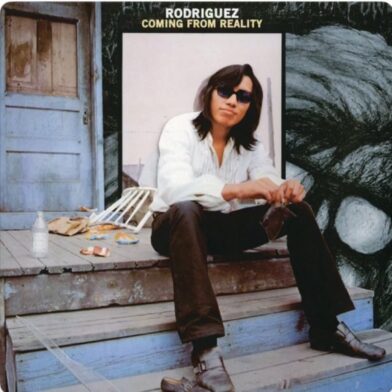
The film record journey to find a long lost musical legend has won the Oscar for the best film documentary. An incredibly moving film about a man who may well be the most modest musician ever, Searching for Sugarman told the story of one Sixto Rodriguez. The film was shot in great part on the director’s iPhone, funds having run out long before completion. Despite that, the quality of both the director and it subject shone through. Early touted as an Oscar nominee, the film now becomes a part of history. With any luck, the songs of Rodriguez will sell as they have long deserved. The man is a talent beyond compare. That he ran into the vagaries of record company financial troubles can now be set aside. What follows is our original review of the film. We loved it, as you shall read below:
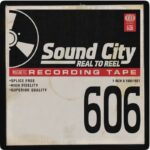
“It’s never too early and it’s never too late”, says seputagenarian Sixto Rodriguez when asked about advice to younger musicians. Rodriguez is living proof of the cliché that “talent will out”. Forty years after recording his two seminal albums in the folk-rock vein, this man’s career is finally getting the attention it deserves with the release of the ultimate music documentary in Searching For Sugar Man, a tale of such fantastical proportions that if it were not grounded firmly in the absolute truth, would be viewed as absurd. And if you’re a music lover, the soundtrack is an absolute Must Have. Recalling the finest compositions of such stellar musico/politicos as Dylan and Phil Ochs, the music of Rodriguez makes for a compelling and satisfying listening experience.
Yes, comparisons to Dylan are in order, with one nota bene: Sixto Rodriguez had and still has an amazing voice, whereas Dylan, for all of his genius, had at his command a vocal instrument that frequently drove listeners away. Why the meaningful lyrics and beautiful production exhibited in Sixto’s first two albums failed to sell records and why he was released from his recording contract in the mid ’70s are tantalizing mysteries. Thankfully, these are the questions that documentary filmmaker Malik Bendjelloul has solved in this compelling and artfully staged true-life drama.
Raised in Detroit, schooled in philosophy, Rodriguez brought a keen intelligence to songwriting, with production values that incorporate The Byrds, Burt Bacharach, pyschedelia and protest lyrics that echoed Vietnam protests, economic injustice, and a healthy adult perspective toward relationships. No one else was doing anything quite like this, although a few attempted such a synthesis. Phil Ochs bombed with his underrated 1968 masterpiece Pleasures Of The Harbour; Peter Sarstedt enjoyed a minor success with “Where Do You Go To, My Lovely?”, and Bob Lind issued one great single “Elusive Butterfly”, while Dylan of course moved from folk to country to rock with great authority. Further, Donovan did some truly lovely and innovative work on his great album Mellow Yellow, so yes, there were ample precedents for what Rodriguez brought to music, but again each of these artists found success with rather simplistic stuff (Dylan excepted). I believe Rodriguez was far ahead of his time.
His records stiffed in the States, but did remarkably well in South Africa and later, in Australia. In South Africa he became a legend through illegal bootleg sales, amidst rumours that he had committed suicide, died in prison, or had met some other gruesome end. In the mid-’90s the truth came out that Rodriguez was alive, living in Detroit, and earning a living as a construction/demolition man. A musico, peace-loving philosopher and would-be politician (he once ran for mayor of Detroit), earning a living blowing up stuff? What bittersweet irony!
Our unreserved recommendation is this: see the documentary, buy the music and get to know this remarkable man with his fascinating songs. It’s the feel-good story of the decade.